

Australians are known for their generosity. However, with so many great organisations out there, it can be difficult to know who to give to. Leading Australian charities are changing the way we think about donating. 15 leading Australian aid organisations have joined forces under one alliance – the Emergency Action Alliance (EAA). This means better use of resources, combined expertise, and more effective support for communities to heal and rebuild faster. This approach is changing the way charities traditionally work, for the better.
How Does Emergency Action Alliance Work?
As we saw with the Ukraine Crisis, humanitarian emergencies can escalate suddenly. Within a few days, thousands were stranded, separated from their families, and without food or basic resources. In a situation like this, aid organisations need to act quickly. We know that the Australians want to help, but it can be overwhelming to know how to. Within the industry, there was a common agreement that a formal alliance was needed that made it easier for people to give when an emergency hit.
The Emergency Action Alliance simplifies the process by running a single, coordinated appeal in response to major emergencies.
What Happens During an Emergency?
- A major humanitarian emergency occurs.
- Australians want to help those affected.
- The EAA runs a joint appeal.
- Funds are distributed to member organisations who are providing emergency aid.
- Families and communities receive the support they need to recover and rebuild.
This centralised approach ensures that help is delivered quickly and efficiently, where it’s needed most.
When Is An Emergency Appeal Launched?
An emergency appeal is initiated only when we are confident that it will have a significant impact due to the support of generous Australians. We follow a set of pre-established criteria to ensure that our appeals are timely and appropriate. These criteria have been developed through extensive discussions with leading experts in both Australian and international humanitarian response.
The criteria for launching an appeal include:
- The scale and urgency of the crisis: The disaster must be severe enough to require a coordinated international humanitarian effort.
- Readiness of member organisations: Our member organisations must be prepared to respond swiftly and effectively.
- Potential for public support: There must be reasonable assurance that a public appeal will be successful, ensuring that our efforts are both efficient and impactful.
By adhering to these guidelines, we ensure that our appeals are well-targeted and capable of making a meaningful difference.
Under the Emergency Action Alliance, leading Australian humanitarian charities are changing the way we give during an emergency. Instead of competing, these charities are working together. This means a better outcome for those who need help the most.
What Are The Benefits of Charities Working Together?
One Trustworthy Source
When a disaster strikes, we want to help the best we can. But with so many different organisations, how do you pick one charity? Many of us may choose one that means something to us or that we are familiar with. However, for those of us who don’t have a particular affiliation with a charity, it’s now much easier. Under the EAA, you have one single, trustworthy choice.
Help Where It’s Most Needed
Charities specialise in different areas of disaster response. Given that some charities are more well-known than others, this may mean certain areas are receiving sufficient funding, while other critical areas are missing out. By combining resources, funds can be allocated to where they are most needed at the time. This allows charities that deliver aid to a particular emergency to rapidly scale up their operations on the ground.
More Cost Effective
When we give to charity, we want our money to go directly towards helping more people. By combining resources, this reduces costs and expands the reach of messaging. This means less money is spent on advertising and admin costs, and more funds directly helping people on the ground.
The Emergency Action Alliance doesn’t deduct more than 10 per cent of money raised to cover indirect essential costs such as donation transaction costs, receipting donations, IT costs, reporting and overheads related to the emergency. This single centralised approach saves time, money, and resources that these organisations can instead use to carry out their vital work.
What Charities Are Included In The EAA?
The Emergency Action Alliance has a strict membership. This means funds are only going to trusted organisations who do what they say and put aside their individual interests for the greater outcome. Each of these organisations brings a unique set of skills and expertise to ensure that relief efforts are as effective as possible.
Currently, the 15 Australian-based member organisations of the Emergency Action Alliance include:
- ActionAid: Focuses on empowering women and girls, tackling poverty and social injustice through grassroots activism and long-term development projects.
- ADRA: Specialises in comprehensive disaster relief and sustainable development programs, including health, livelihoods, and education, with a strong emphasis on community resilience.
- Act for Peace: Provides protection and support for refugees and displaced people, working to end conflict and promote peace in war-torn areas.
- Australian Lutheran World Service (ALWS): Delivers aid and development programs in impoverished communities, focusing on clean water, health, and education to improve living conditions.
- Anglican Overseas Aid: Partners with local communities to strengthen their capacity to respond to emergencies and improve their long-term development prospects.
- Australia for UNHCR: Provides vital support to refugees and displaced people globally, focusing on humanitarian aid, protection, and advocacy to improve their living conditions and future prospects.
- Baptist World Aid: Works to alleviate poverty through ethical trade, advocacy, and development programs that address the root causes of poverty and injustice.
- Caritas Australia: Provides emergency relief and development aid with a focus on social justice, human dignity, and addressing the causes of poverty globally.
- CARE Australia: Empowers women and girls, delivers emergency assistance, and promotes long-term development to improve living conditions and ensure gender equality.
- CBM: Focuses on disability-inclusive development and humanitarian aid, working to ensure that people with disabilities are included in all aspects of society and disaster response.
- ChildFund Australia: Supports children’s rights through education, child protection, and health programs, aiming to improve the lives of children and their families in developing communities.
- Oxfam: Combats global poverty and social injustice through advocacy, emergency response, and development programs, with a strong focus on economic justice and gender equality.
- Plan International Australia: Advances children’s rights and equality for girls through community-based programs, emergency response, and advocacy efforts aimed at creating lasting change.
- Save the Children: Focuses on safeguarding children’s rights and delivering essential services such as education, health care, and protection in emergencies and development settings.
- Tearfund Australia: Partners with local organisations to tackle poverty and injustice through holistic development programs that address the needs of vulnerable communities.
Case Study – the Ukraine Crisis
To understand how effective this new approach is, we can look at EAA’s first major appeal: the Ukraine Crisis. Funds were distributed to member organisations best equipped to respond, allowing them to scale their operations and deliver aid swiftly. In the initial three months, most of the funds went toward providing shelter and essential household items.
This included:
- Setting up emergency shelters.
- Providing sleeping mats and blankets.
- Establishing kitchens and delivering hot meals.
- Creating safe spaces for vulnerable people.
This coordinated response ensured that aid reached those who needed it most and helped communities begin the process of recovery and rebuilding.
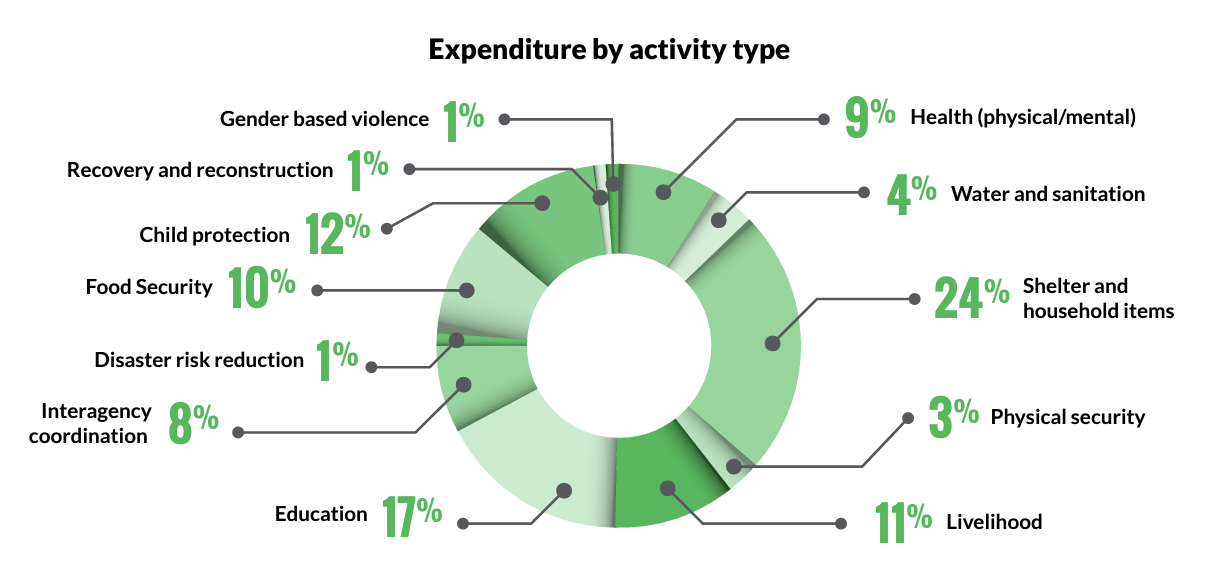
To learn more, see our Ukraine impact report.
How You Can Help
Charities no longer need to compete with one another on a common goal. The future of this industry is one built on collaboration and trust, with the focus on helping those who need it most. You can get involved by donating to our appeal and sharing information about the Emergency Action Alliance with others.
Find out more about the Emergency Action Alliance and what we do.


